
Digital Twins in Fashion: How AI Avatars Are Changing Shopping, Styling, and Identity
Anthony Starr
3/25/20264 min read
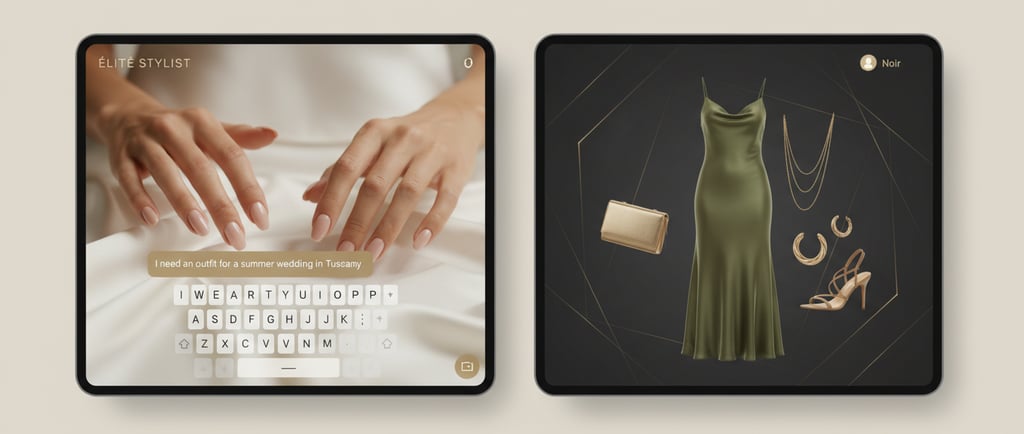
For decades, the "fitting room" was the final frontier of the fashion experience. It was the place where the dream of the runway met the reality of the human body. But in 2026, that physical space is being replaced by a digital one. We are entering the era of the "Digital Twin"—a hyper-accurate, AI-powered avatar that is transforming how we shop, how we style ourselves, and how we express our identity in the digital world.
A Digital Twin is more than just a 3D model; it is a data-rich representation of a person’s physical form, movement, and style preferences. By combining computer vision, biometric data, and generative AI, fashion brands are now able to offer a level of personalization that was previously impossible.
The End of the "Guess and Return" Cycle
The most immediate impact of Digital Twins is in the world of e-commerce. Historically, online shopping was a game of "guess and return." You looked at a photo of a model who didn't look like you, guessed your size based on a vague chart, and hoped for the best.
With a Digital Twin, that friction disappears. Using a simple smartphone scan, a consumer can create a 3D avatar with sub-centimeter accuracy. This avatar can then "try on" thousands of garments in a virtual fitting room. Because the AI understands the "drape" and "tension" of different fabrics—how a heavy denim behaves differently than a light silk—the consumer can see exactly how a garment will fit their specific body. This isn't just about size; it's about "fit" and "flattery." Does the hemline hit at the right spot? Does the waist pull when I sit down? The Digital Twin provides the answers before the "Buy" button is ever clicked.
The Rise of the "Virtual Stylist"
Once a consumer has a Digital Twin, the possibilities for styling become infinite. AI-powered styling assistants can use the avatar to "pre-style" outfits for the user.
"You have a gala next week. Here are three gowns from our collection that are guaranteed to fit your Digital Twin perfectly. We’ve also paired them with shoes and accessories from your existing virtual wardrobe."
This "closet-first" approach allows brands to move from "selling items" to "managing a wardrobe." The Digital Twin becomes a living record of everything a person owns, allowing the AI to suggest new purchases that complement their existing style. This creates a "sticky" relationship between the brand and the consumer, as the AI becomes a trusted advisor who knows the user’s body and taste better than anyone else.
Identity in the Metaverse and Beyond
As our lives move increasingly online, the Digital Twin is becoming a core part of our digital identity. We are seeing a massive crossover between the fashion industry and the gaming world. Consumers are now buying "digital-only" garments for their avatars to wear in virtual spaces, social media, and video games.
For many Gen Z and Gen Alpha consumers, their digital avatar is just as important as their physical self. They are willing to spend real money on "skins" and "digital couture" that allow them to express their identity in ways that might be impossible in the physical world. Brands like Gucci, Balenciaga, and Nike are already leading the way, creating digital collections that exist only as pixels but carry the same prestige as their physical counterparts.
The "Digital Twin" as a Tool for Sustainability
Beyond the consumer experience, Digital Twins are a powerful tool for a more sustainable fashion industry. By using avatars for virtual prototyping and fit-testing, brands can eliminate the need for physical samples, which are a major source of waste.
Furthermore, the "Made-to-Order" model becomes truly scalable with Digital Twins. A brand can sell a digital garment first, and only manufacture the physical version once the customer has "approved" the fit on their avatar. This "zero-inventory" model is the ultimate goal for a sustainable fashion future, ensuring that every garment produced already has a home and a perfect fit.
The Ethics of the Digital Self
Of course, the rise of Digital Twins brings significant questions about privacy and body image. Who owns the data that makes up your Digital Twin? How do we ensure that AI avatars don't reinforce unrealistic beauty standards?
The industry is currently grappling with these challenges, with many brands committing to "Body-Positive AI" that celebrates diverse shapes and sizes. Transparency is also key; consumers need to know how their data is being used and have the ability to "delete" their digital self at any time.
Conclusion: The Future is Personal
The Digital Twin is the ultimate expression of "Personalized Fashion." It moves the industry away from "mass production" and toward "individual expression." In the near future, your Digital Twin won't just be a tool for shopping; it will be your constant companion in the digital world—a reflection of your style, your body, and your identity that evolves with you.
The brands that win in 2026 will be those that don't just sell clothes, but those that help their customers build, style, and celebrate their digital selves.
Frequently Asked Questions
How do I create a Digital Twin?
Most modern fashion apps now include a "Scan" feature. You simply stand in front of your smartphone camera and follow the prompts to take a few photos or a short video. The AI then processes this data to create your 3D avatar in seconds.
Can I use my Digital Twin across different brands?
We are moving toward "Interoperable Avatars," where a single Digital Twin can be used across multiple platforms and brands. However, many brands currently use proprietary systems, so you may need to create a new avatar for different shopping experiences.
Is my body data secure?
Security is a top priority for AI fashion companies. Most reputable brands use "encrypted biometric data" and "edge processing" to ensure that your personal photos are never stored on their servers, only the anonymous numerical data that makes up your 3D model.
Luxury
Elevate your brand with our exclusive AI models.
Contact us
Exclusivity
© 2026. All rights reserved.
(609) 901-8073