How Luxury Brands Are Using AI Without Losing Exclusivity
Anthony Starr
3/27/20264 min read
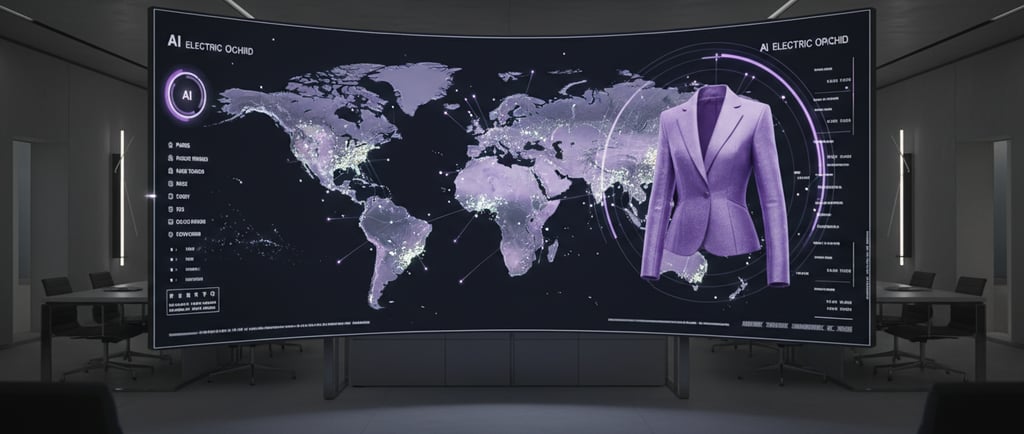
In the world of luxury fashion, the most valuable currency is not just the product itself, but the "experience" of owning it. Luxury is defined by scarcity, craftsmanship, and a deeply personal relationship between the brand and the client. For decades, the "high-touch" service of a personal shopper or a private atelier was the ultimate expression of this exclusivity.
But as we move into 2026, a new and powerful tool is being integrated into the luxury experience: Artificial Intelligence. For many, the idea of "AI" and "Luxury" seems like a contradiction. AI is often associated with "mass production" and "automation," while luxury is about "bespoke" and "human artistry." However, the most forward-thinking luxury brands are proving that AI can actually enhance exclusivity by providing a level of personalization and service that was previously impossible to scale.
The "Digital Butler": AI-Powered Clienteling
The most significant impact of AI in luxury is in the world of "clienteling"—the art of building long-term relationships with high-net-worth individuals. Historically, a top-tier sales associate at a brand like Hermès or Chanel would keep a "little black book" of their clients' preferences, birthdays, and past purchases.
Today, that "little black book" has been replaced by a sophisticated AI "Digital Butler." This AI doesn't just store data; it analyzes it to provide "proactive" service. It can alert a sales associate that a client’s favorite color is trending in the upcoming collection, or suggest a one-of-a-kind accessory that perfectly complements a gown they bought three years ago. This allows the brand to offer a "bespoke" experience to every client, regardless of where they are in the world. The AI isn't replacing the human relationship; it is providing the human with the "superpowers" they need to be more attentive, more informed, and more personal.
Generative Design for the "One-of-a-Kind" Experience
Luxury has always been about "one-of-a-kind" pieces. In the past, this meant a "couture" experience that required multiple fittings and months of waiting. AI is now allowing luxury brands to offer "Generative Bespoke" services.
A client can work with an AI-powered design interface to "co-create" a garment. They start with a brand’s signature silhouette and then use AI to adjust the embroidery patterns, the fabric textures, and the color palette. The AI ensures that every design choice remains "on-brand" while creating a piece that is truly unique to the individual. This "digital couture" experience is faster, more interactive, and more accessible than traditional bespoke, while still maintaining the "exclusivity" of owning a one-of-a-kind item.
The "Private Digital Suite": A New Era of Shopping
The physical "private shopping suite" is a staple of the luxury experience. AI is now bringing this experience into the digital realm. Luxury brands are creating "Private Digital Suites"—immersive, AI-powered virtual spaces where VIP clients can shop the latest collections in a highly personalized environment.
In these suites, the AI acts as a "curator," presenting a selection of items that have been specifically chosen for the client based on their "Digital Twin" and their past style preferences. The client can "try on" these items virtually, see how they move in different lighting conditions, and even "chat" with a digital representation of the brand’s creative director. This isn't just "online shopping"; it is a "digital event" that feels as exclusive and high-touch as a private appointment on Avenue Montaigne.
AI and the "Craftsmanship" Narrative
One of the biggest challenges for luxury brands is communicating the "craftsmanship" and "heritage" of their products in a digital world. AI is being used to bridge this gap through "Immersive Storytelling."
Using AI-powered Augmented Reality (AR), a client can "scan" a luxury handbag and see a digital visualization of the hundreds of hours of hand-stitching that went into its creation. They can "meet" the artisan who made it and see the specific leather workshop in Florence where it was born. This "digital transparency" doesn't just provide information; it builds an emotional connection between the client and the product, reinforcing the "value" and "exclusivity" of the brand’s heritage.
The "Scarcity" Algorithm: Managing Demand with AI
Exclusivity is built on scarcity. If everyone can buy it, it’s no longer luxury. AI is now being used to manage this "scarcity" with incredible precision. Luxury brands use AI to predict demand for specific items and ensure that they are only available to their most loyal clients.
This "loyalty-based access" ensures that the most coveted items—like a limited-edition watch or a rare leather bag—don't end up on the resale market, but in the hands of the brand’s true ambassadors. AI allows brands to move away from "mass marketing" and toward "targeted exclusivity," where the right product finds the right person at the right time.
Conclusion: The Future of "High-Tech, High-Touch" Luxury
The most successful luxury brands in 2026 are those that have embraced the "High-Tech, High-Touch" model. They understand that AI is not a threat to exclusivity, but a tool to deepen it. By using AI to provide hyper-personalized service, co-create unique designs, and tell more immersive stories, luxury brands are ensuring that they remain relevant in a digital world without losing the "soul" and "prestige" that defines them.
The future of luxury is not "human vs. machine," but "human + machine"—a perfect blend of traditional craftsmanship and futuristic intelligence that creates an experience that is truly, exclusively, yours.
Frequently Asked Questions
Does AI make luxury fashion feel "cheap"?
Only if it’s used for "mass automation." When used for "hyper-personalization" and "bespoke curation," AI actually makes the experience feel more premium and exclusive. The key is in the "intentionality" of the brand’s use of the technology.
Can AI really understand "luxury taste"?
AI is incredibly good at identifying "patterns" in taste. By analyzing the preferences of the world’s most stylish individuals, AI can develop a "luxury aesthetic" that is remarkably sophisticated. However, the "final word" on style still belongs to the human creative director.
Is my personal data safe with luxury brands?
Luxury brands are among the most protective of their clients' data. They use "private, encrypted AI models" that are not shared with other companies, ensuring that your style preferences and purchase history remain a private secret between you and the brand.
Luxury
Elevate your brand with our exclusive AI models.
Contact us
Exclusivity
© 2026. All rights reserved.
(609) 901-8073