The Rise of AI-Powered Fashion Search
From Keywords to Intent
Anthony Starr
4/8/20263 min read
Fashion search is changing fast.
For years, shoppers had to guess the right words to find what they wanted:
“black blazer”
“summer dress”
“wide-leg trousers”
But fashion is visual, emotional, and context-driven. Keywords alone were never enough.
Now, AI-powered search is transforming fashion e-commerce by understanding images, intent, style, and context. Instead of forcing shoppers to search like machines, brands are finally letting them search like humans.
Why Keyword Search Is Broken in Fashion
Fashion shoppers rarely know the exact name of what they want.
They usually think in terms like:
“something like this, but more formal”
“a dress for a beach wedding”
“jacket similar to this one”
“shoes that go with this outfit”
Traditional search engines struggle with this kind of language. They depend on exact product names, categories, or filters that often miss the shopper’s real intent.
That leads to:
poor search results
abandoned sessions
lower conversion rates
In fashion, bad search is not just inconvenient. It’s expensive.
What AI-Powered Fashion Search Actually Does
AI changes the game by combining:
visual search
natural language search
semantic understanding
personalization
That means a shopper can:
upload a photo of a jacket
type “show me outfits like this but more formal”
ask for “the same vibe in a different color”
search by occasion, mood, or style
The AI doesn’t just match words. It understands:
silhouette
color family
material
fit
aesthetic category
customer preferences
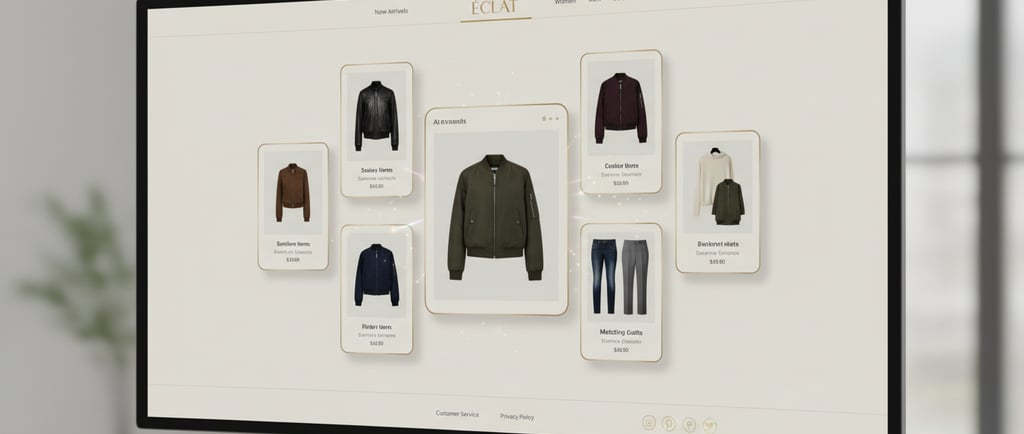
So if someone uploads a bomber jacket, the AI can return:
similar jackets
elevated versions
matching trousers
formal alternatives
color variants
That’s a much smarter shopping experience.
Visual Search Is Becoming the New Starting Point
One of the biggest shifts is that shoppers no longer need to describe what they want.
They can simply upload a photo.
AI visual search can analyze the image and identify:
garment type
neckline
sleeve length
fabric feel
pattern
style category
Then it returns products that are visually similar.
This is especially powerful for fashion, where shoppers often see something on:
Instagram
Pinterest
TikTok
a friend
a celebrity
Instead of trying to guess the right terms, they can just search by image.
From Search Engine to Style Assistant
The next evolution is conversational search.
Instead of typing keywords, shoppers can talk to the store like a stylist:
“Show me outfits like this but more formal.”
“I need something for a winter date night.”
“What can I wear with these boots?”
“Find me a dress that feels expensive but under $200.”
AI can understand the intent behind those requests and return curated looks.
This turns the website from a product database into a style assistant.
That shift matters because shoppers don’t want more options. They want better ones.
Why This Matters for Conversion
AI search improves fashion retail in several ways:
Higher conversion rates
Shoppers find what they want faster
Lower bounce rates
Better results keep users engaged
Higher average order value
AI can suggest complete looks, not just one item
Better discovery
Shoppers find products they wouldn’t have searched for directly
Stronger personalization
Results can adapt to taste, size, and history
In other words, AI search doesn’t just improve usability. It improves revenue.
The Role of Semantic Understanding
A major reason AI search is better is semantic understanding.
Traditional search looks for exact matches. AI understands meaning.
For example:
“elevated basics”
“quiet luxury”
“off-duty model look”
“coastal grandmother style”
These aren’t product names. They’re style signals.
AI can translate those signals into results that match the shopper’s intent.
That makes fashion search much more intuitive and much closer to how people actually shop.
How Brands Can Use It
Fashion brands can use AI search in several ways:
On-site visual search
Let customers upload images and find similar items
Natural language search
Let shoppers type or speak in plain language
Outfit recommendation
Show complete looks instead of single products
Search personalization
Adapt results based on browsing and purchase behavior
Trend-based discovery
Highlight trending styles matched to current demand
The best systems combine all of these.
The Future of Fashion Search
The future is not just smarter search. It’s intent-aware commerce.
Soon, AI will be able to understand:
the occasion
the weather
the shopper’s body shape
their budget
their style history
what they already own
That means search results will become less like a catalog and more like a personalized stylist.
Imagine typing:
“Need something for a rooftop dinner in Miami” and instantly seeing:
appropriate outfits
matching accessories
weather-friendly fabric choices
shoes that work with the look
That’s where fashion retail is headed.
Conclusion
Fashion search is moving from keywords to intent.
And that’s a huge deal.
Shoppers no longer want to search like database users. They want to describe what they want in natural language, upload inspiration photos, and get styled intelligently.
Brands that adopt AI-powered search will:
help customers find products faster
improve conversion
create more personalized shopping experiences
stay competitive in a crowded market
In the next era of fashion retail, the best search engine won’t just understand what you typed.
It will understand what you meant.
FAQs
What is AI-powered fashion search?
It’s search that uses AI to understand images, natural language, style intent, and shopper preferences.
Why is visual search important in fashion?
Because fashion is highly visual, and shoppers often want items based on a look they’ve seen, not a product name.
Does AI search improve sales?
Yes. It helps shoppers find the right items faster and often increases conversion and basket size.
Luxury
Elevate your brand with our exclusive AI models.
Contact us
Exclusivity
© 2026. All rights reserved.
(609) 901-8073